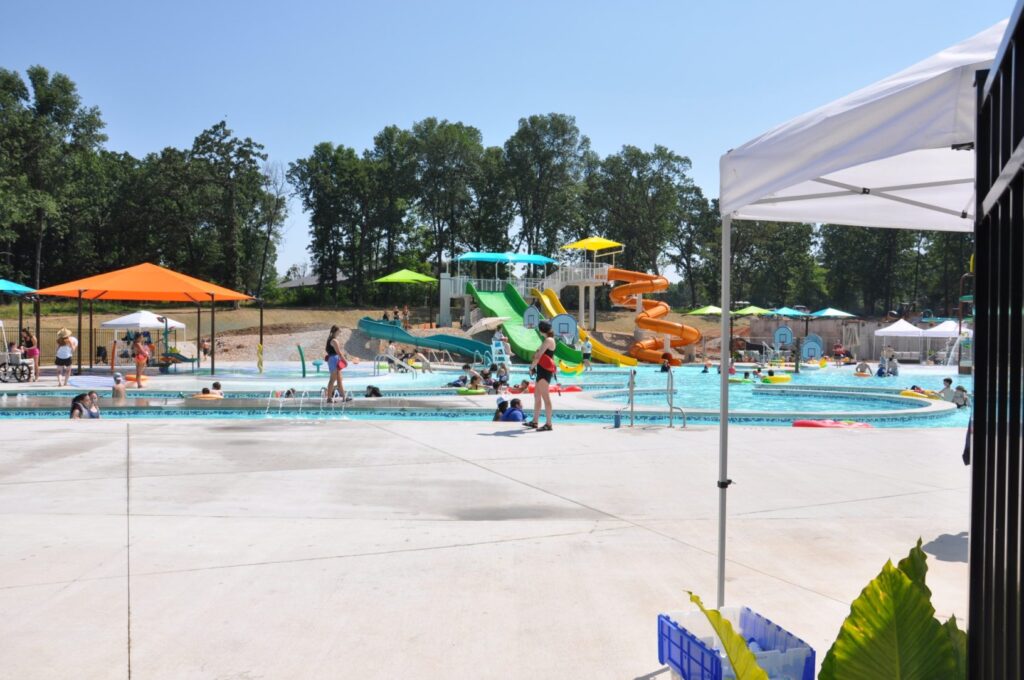

At Camp Barnabas, individuals with disabilities and chronic illnesses are provided with a safe and supportive environment that encourages personal growth, empowerment, and a sense of belonging.
To protect the slides for years to come, a duplex system was selected to ensure durability and longevity in this demanding environment. Water parks experience constant exposure to moisture, chlorine, and sunlight, which can accelerate corrosion and wear on metal surfaces. By using a duplex coating, which consists of a combination of both hot-dip galvanized steel with paint, epoxy or polyurethane coatings, water park owners can significantly extend the lifespan of slides, railings, stairs, and other metallic components. The epoxy layer provides excellent adhesion and corrosion resistance, while the polyurethane layer adds a protective, UV-resistant finish, making it ideal for water parks' specific needs.
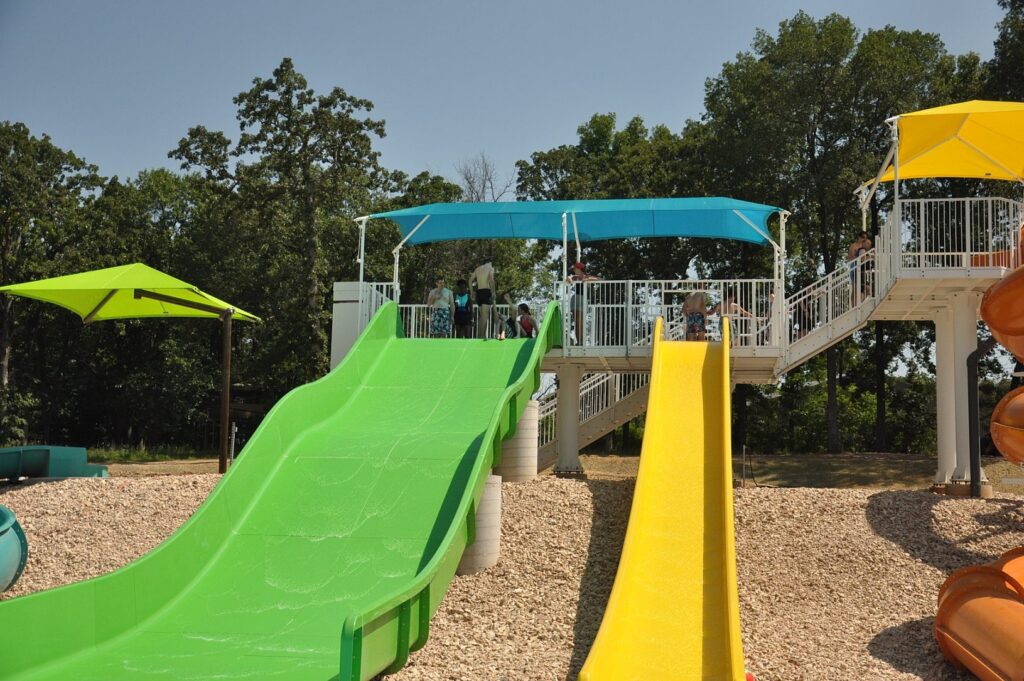
Additionally, the topcoat in a duplex coating system can contribute to a smoother surface texture, which improves the safety of slides (reducing the chances for skin cuts, abrasions, etc.) and is advantageous for individuals with mobility impairments. A smoother surface helps facilitate movement on walkways, ramps, and platforms, reducing the risk of trips or falls, and enhancing the accessibility and safety for individuals with special needs.
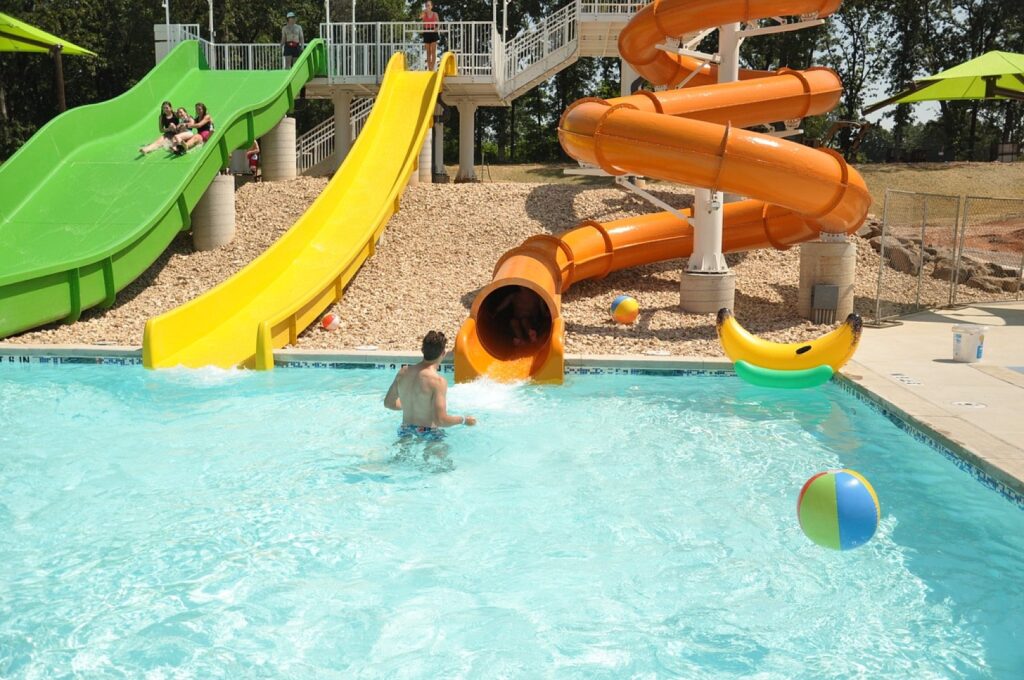
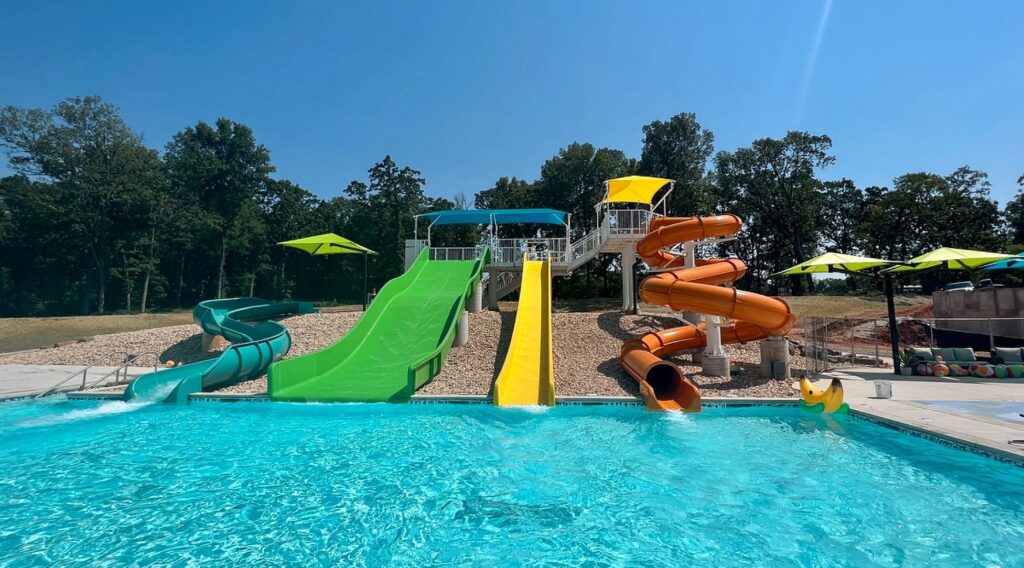
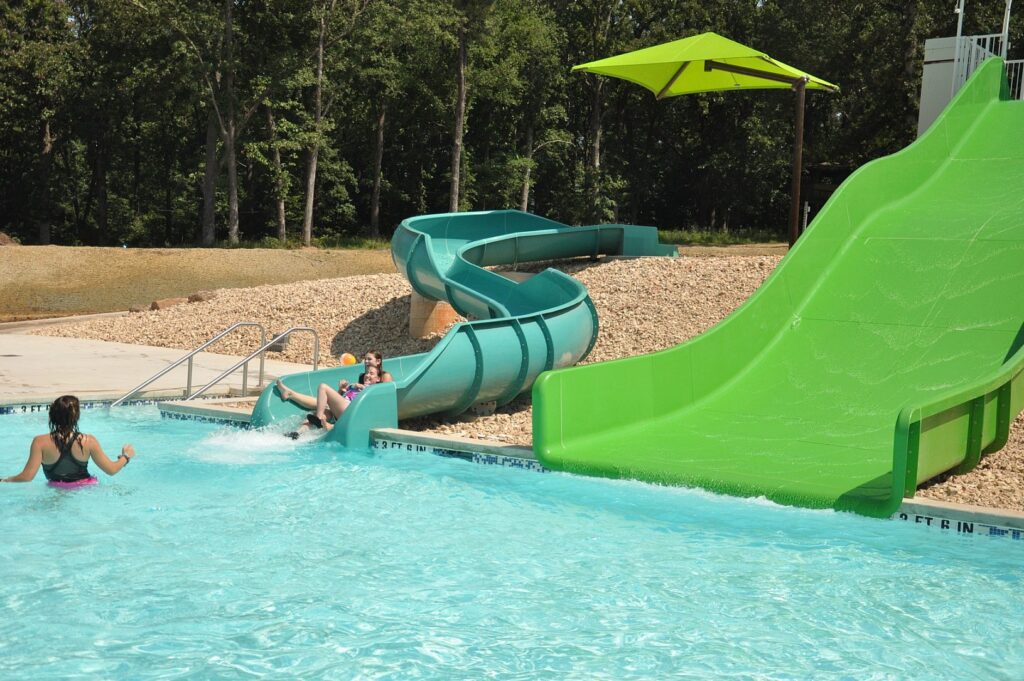
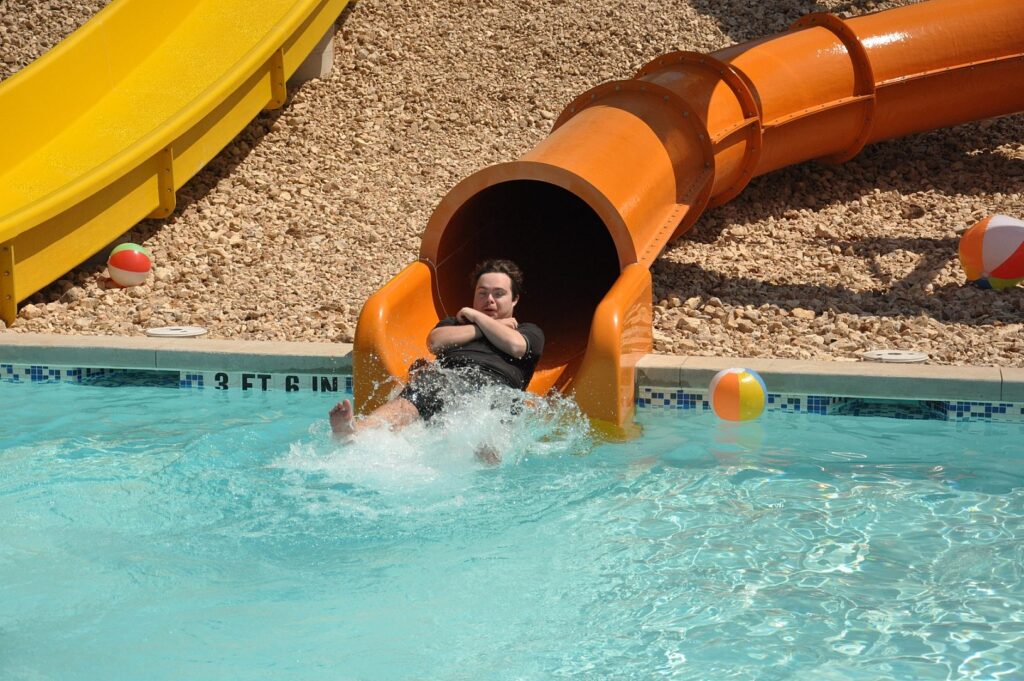
Furthermore, the aesthetic appeal of water parks is a crucial aspect of attracting and retaining visitors. Duplex coatings allow for a wide range of color and finish options, providing not only durability but also an attractive appearance. At Camp Barnabas, each slide features a unique color, and the smooth and glossy finish of a duplex coating enhances the overall visual appeal, making them more enticing to campers. This combination of protection and aesthetics ensures that water parks can maintain their structures in pristine condition while creating a visually appealing and inviting atmosphere for visitors, ultimately leading to increased customer satisfaction and return business.
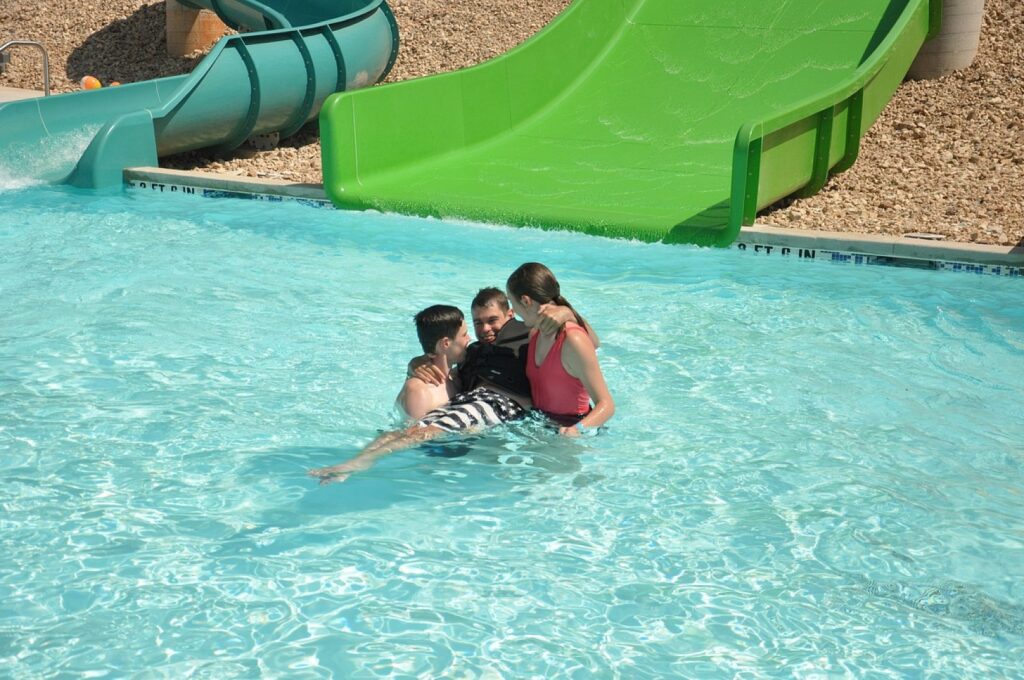
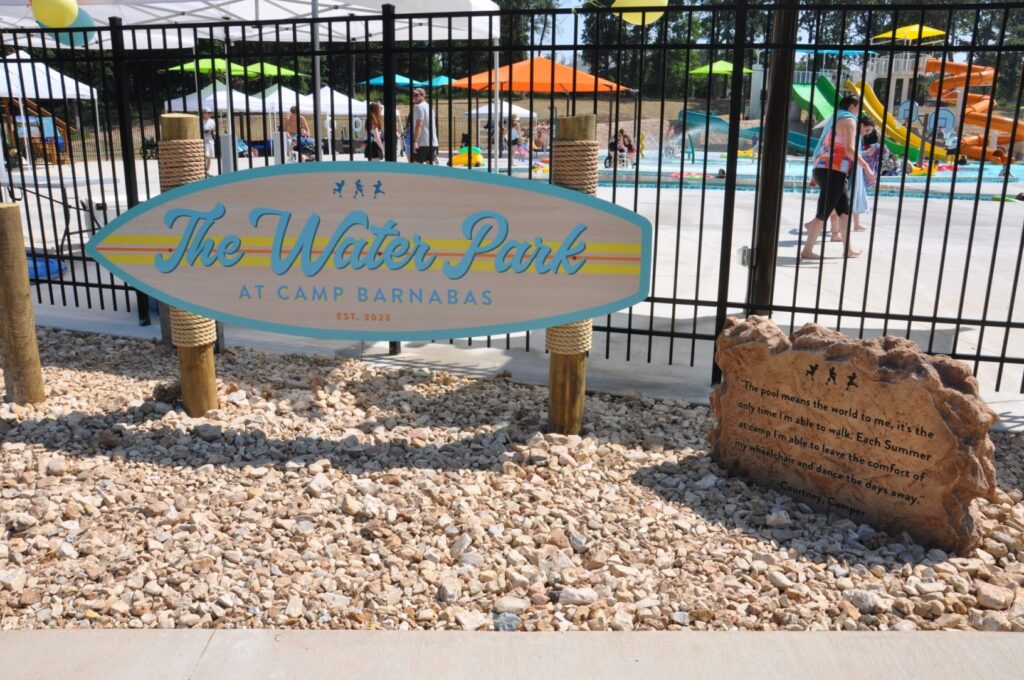
"This pool means the world to me, it's the only time I'm able to walk. Each Summer at camp I'm able to leave the comfort of my wheelchair and dance the days away."
- COURTNEY